
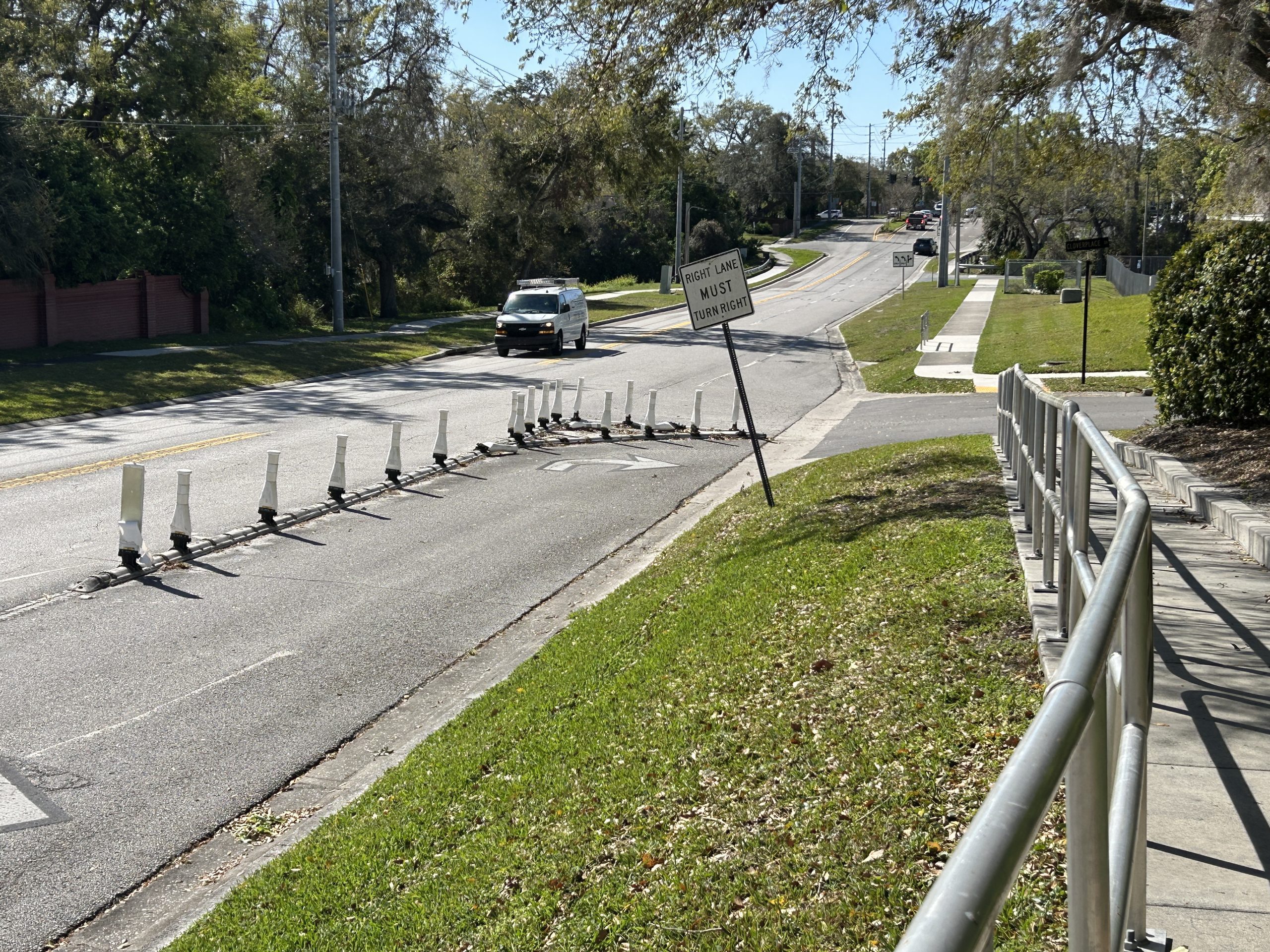
Every road, intersection, and drainage system starts as a plan. Behind that plan is an engineering team that balances safety, budget, schedules, and community needs. If you manage public works, work on state transportation projects, or lead a prime consulting team, choosing the right partner is one of the most important decisions you will make. The right civil engineer in Tampa helps a project move from concept to construction with fewer surprises.
This guide explains what civil engineering services typically include, why local knowledge matters, and what to look for when comparing providers. We’re Bayer United Engineering Consultants (BUEC), a transportation engineering firm with offices in Tampa and St. Augustine, so we’ll use our own work as examples along the way.
What Civil Engineering Services Cover
Civil engineering is a broad field, but transportation projects tend to rely on a few core disciplines. Understanding each one helps you scope your project and ask better questions.
Roadway Engineering
Roadway engineering covers the geometric and structural design of roads, including alignment, lane layout, pavement, intersections, and safety improvements. Projects range from resurfacing existing roads to widening corridors for bicycles and pedestrians. Our vision is to become Florida’s preferred roadway design firm, providing innovative solutions while ensuring everyone arrives safely.
Drainage Engineering
Water management is central to road performance. Drainage engineering designs the systems that move stormwater away from roadways, protecting pavement and reducing flooding risks. Poor drainage can shorten the life of a road, so it should be considered from the start rather than treated as an afterthought.
Maintenance of Traffic (MOT)
Maintenance of traffic (MOT) planning keeps drivers, cyclists, pedestrians, and workers safe while construction is underway. A good MOT plan balances safety with traffic flow and reduces disruption for nearby communities and businesses.
Project Management
Even great designs can stumble without careful coordination. Project management keeps schedules, budgets, deliverables, and communication on track, so every stakeholder knows what to expect.
Why Local Experience Matters in Tampa Bay
Florida projects have unique conditions, from heavy rain and flat terrain to dense suburban corridors and growing populations. Strong infrastructure engineering in Tampa depends on a team that understands these local factors, along with the standards and processes of regional clients.
Local experience also builds familiarity with the agencies you may work with. Our clients and registered local agencies include multiple FDOT districts, Florida’s Turnpike, the City of Tampa, Hillsborough County, the City of St. Petersburg, Pinellas County, the City of Zephyrhills, Charlotte County, and the Central Florida Expressway Authority. Working across this range helps us understand different review expectations and project types.
How 3D Modeling Is Changing Civil Engineering
Digital tools have changed how roadway projects are designed and reviewed. 3D modeling in civil engineering lets teams see a corridor in three dimensions before anything is built, which supports better decisions earlier in the process.
Benefits of 3D modeling often include:
- Clearer visualization: stakeholders can understand design intent more easily than from flat drawings alone.
- Earlier problem detection: conflicts between roadway, drainage, and surrounding features can be identified sooner.
- Better coordination: a shared model helps different disciplines work from the same information.
- Stronger communication: visual models help explain proposals to agencies, community members, and project partners.
If your project involves complex geometry or tight right-of-way, ask any prospective provider how they use 3D modeling in design and how it supports review and construction. You can read more about our 3D modeling services.
Examples of Roadway Projects in Florida
Looking at real project types helps you see what these services look like in practice. Here are a few of our recent projects:
- Pavement preservation design: milling and resurfacing 1.8 miles of an existing four-lane divided rural roadway and a four-lane suburban roadway.
- Ocala Airport North Development Road: milling and resurfacing the roadway, widening it for bicycles, improving pedestrian and vehicle safety, and upgrading sidewalks and drainage.
- FDOT District Two SR 21 roadway and ADA design: a roadway design project with accessibility improvements.
These examples show how civil engineering services often combine several goals in one project: preserving pavement, improving safety for all users, and upgrading accessibility and drainage at the same time. You can see more on our projects page.
What to Look For When Comparing Engineering Firms in Tampa
There are many engineering firms in Tampa to choose from, so it helps to define your priorities before you start comparing. Here are three areas worth focusing on.
Responsiveness
Projects rarely run in a straight line. Questions arise, schedules shift, and reviews bring comments. A responsive team keeps your project moving. Being exceptionally responsive is one of the things we pride ourselves on, and asking prospective firms about typical response times is a smart way to test this quality.
Quality and Practical Solutions
Look for a firm that delivers careful work and offers practical, creative solutions rather than overcomplicated designs. Ask for examples where the team solved a tricky constraint, such as limited right-of-way, drainage challenges, or tight schedules.
Clear Project Administration
Administration may not sound exciting, but it affects every project. Accurate, hassle-free invoicing and clear communication make life easier for project managers. Making project administration easier is a priority for our team, which is especially valuable when you are juggling multiple deliverables.
Small Business Opportunities on FDOT Projects
As FDOT’s Small Business Program rolls out, many prime consultants are looking for dependable partners. We’re a trusted small business partner for FDOT projects, and our prequalifications page lists the work types we’re prepared for.
If you are building a team for a bid or project, consider these points:
- Match the scope to the partner. Choose a firm whose disciplines fit your project needs.
- Check prequalification status. Confirm the partner is prepared for the work types you plan to pursue.
- Communicate early. The sooner you involve your partner, the easier it is to coordinate.
- Plan for smooth administration. Clear processes for invoicing and reporting save time later.
Questions to Ask Before You Hire
A short list of questions can reveal a lot about a provider.
- What types of roadway and drainage projects have you completed recently?
- Which agencies have you worked with in this region?
- How do you use 3D modeling in your design process?
- Who will be my day-to-day contact, and how quickly can I expect responses?
- How do you manage schedules and communicate delays or risks?
- What does your invoicing and reporting process look like?
Clear, confident answers show a team that understands both the technical and the practical sides of project delivery.
Conclusion
Strong civil engineering is more than drawings. It combines technical skill, local knowledge, responsive communication, and careful project management to deliver roads that are safer, more accessible, and built to last. Whether you need roadway design, drainage engineering, MOT planning, or 3D modeling, the right partner can make your job easier at every stage.
Planning a roadway, drainage, or MOT project? Contact our Tampa team and share your project goals. A short conversation is the fastest way to see how we can work together.