
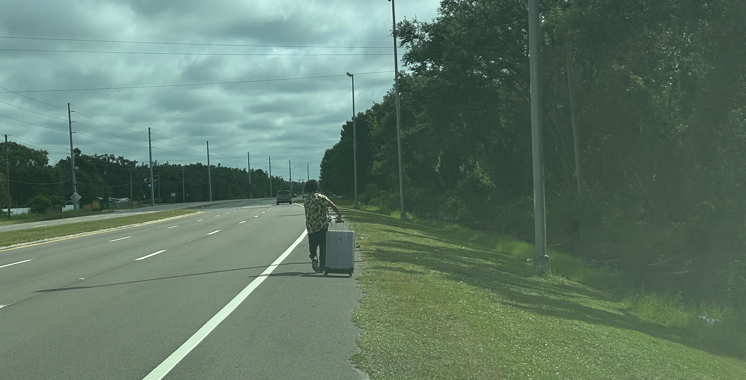
Florida roads are busy, and getting busier. The state consistently ranks among the most dangerous in the nation for traffic fatalities, with the Florida Department of Highway Safety and Motor Vehicles (FLHSMV) reporting tens of thousands of crashes at intersections each year. Behind every safer road, smoother traffic flow, and better-designed crossroads is a team of transportation engineers working to solve complex problems before they become dangerous ones.
So what does that work actually look like? And why does it matter so much in a high-growth state like Florida?
This post breaks down the key ways transportation engineers identify safety issues, design better intersections, and implement lasting solutions, drawing on the kind of expertise that firms like Bayer United bring to communities across the Tampa Bay region and beyond.
Why Florida Intersections Present Unique Engineering Challenges
Florida’s combination of rapid population growth, heavy tourist traffic, aging infrastructure, and intense weather events creates a distinctive set of challenges for transportation engineers. Intersections in urban corridors, particularly around Tampa, must handle everything from daily commuter surges to hurricane-season flooding, all while keeping pedestrians, cyclists, and drivers safe.
Unlike rural road segments where speed and alignment are primary concerns, intersections concentrate conflict points. Vehicles turn, merge, and cross paths in limited space. Pedestrians and cyclists enter the mix. Poor signal timing, inadequate sight lines, or improper drainage can turn a functional road into a recurring crash location.
Transportation engineers address these issues systematically, pulling together traffic data, design standards, environmental conditions, and community needs into coordinated solutions.
How Transportation Engineers Identify Safety Problems at Intersections
What data do engineers use to assess intersection safety?
Before any design work begins, engineers conduct thorough assessments of existing conditions. This typically includes:
- Crash history analysis: Reviewing accident records to identify patterns- are crashes happening at the same time of day? Under wet conditions? Involving turning movements?
- Traffic volume counts: Understanding how many vehicles, pedestrians, and cyclists use the intersection and when.
- Signal timing reviews: Evaluating whether existing signal phases allocate green time appropriately for current demand.
- Field observations: Walking or driving the intersection to identify sight-line issues, pavement conditions, and signage gaps.
The Florida Department of Transportation (FDOT) provides engineers with established frameworks for conducting these assessments, ensuring that local improvements align with statewide safety goals. Firms experienced in Transportation Engineering Tampa Florida projects, like Bayer United, work directly within these FDOT frameworks to deliver compliant, practical solutions.
Key Engineering Strategies That Make Intersections Safer
How does roadway design reduce crash risk at intersections?
Good roadway design starts with geometry. The angle at which roads meet, the length of turn lanes, the placement of medians, and the positioning of crosswalks all influence how safely drivers can navigate an intersection.
Transportation engineers evaluate these geometric elements against current traffic volumes and then recommend modifications. Common improvements include:
- Adding dedicated left-turn or right-turn lanes to separate conflicting movements and reduce rear-end crashes
- Installing raised medians to limit dangerous mid-block left turns and guide vehicles to designated crossing points
- Adjusting curb radii to slow turning speeds and give pedestrians more time to clear the road
- Improving sight distance by removing vegetation or relocating signs that block drivers’ views
Each of these changes reduces what engineers call “conflict points”, the locations where two vehicles or a vehicle and a pedestrian are on a potential collision course. Fewer conflict points mean fewer crashes.
How does traffic signal engineering improve intersection safety?
Signal timing is one of the most powerful tools a traffic engineer has. A poorly timed signal can create rear-end collisions, encourage red-light running, or leave pedestrians stranded mid-crossing.
Traffic Control Engineering Tampa specialists optimize signal timing using real-world traffic data, often implementing adaptive signal systems that respond to changing volumes in real time. Specific improvements might include:
- Leading Pedestrian Intervals (LPIs): Giving pedestrians a head start before vehicles receive a green light, dramatically reducing pedestrian-vehicle conflicts
- Protected left-turn phases: Separating left-turn movements from opposing traffic to eliminate angle crashes
- Coordination with adjacent signals: Creating “green waves” that reduce stop-and-go driving on busy corridors
These changes don’t just improve safety; they often reduce congestion and emissions as a byproduct.
Why does drainage engineering matter for intersection safety?
Standing water is a serious safety hazard. Hydroplaning, reduced visibility from splash, and obscured lane markings all contribute to wet-weather crashes. In Florida, where afternoon thunderstorms are a daily occurrence for much of the year, effective drainage at intersections is non-negotiable.
Drainage Engineering Tampa professionals design systems that move water away from travel lanes quickly and efficiently. This involves evaluating the grade (slope) of the road surface, designing inlet locations to capture runoff before it ponds, and ensuring that drainage systems can handle extreme rainfall events.
When intersections are being redesigned or upgraded, drainage engineers work alongside roadway and traffic engineers to integrate stormwater management into the overall design. The result is an intersection that performs safely in both dry and wet conditions.
How does stormwater engineering support long-term infrastructure resilience?
Beyond individual intersections, Stormwater Engineering Tampa addresses the broader challenge of managing runoff across entire road networks. As Florida communities grow, more impervious surfaces, roads, parking lots, rooftops, increase the volume of stormwater that drainage systems must handle.
Transportation engineers consider stormwater management during planning phases to avoid retrofitting problems later. Effective stormwater planning protects road surfaces from erosion, prevents flooding that closes intersections, and reduces long-term maintenance costs. Well-designed systems also protect local waterways from pollutants carried by road runoff, a key environmental consideration in coastal Florida communities.
How is 3D modeling used in modern intersection design?
Modern transportation engineering relies heavily on digital tools, and 3D Modeling Civil Engineering capabilities have transformed how engineers plan, design, and communicate intersection improvements.
Three-dimensional models allow engineers to visualize how a redesigned intersection will look and function before a single cone is placed. This helps in several important ways:
- Identifying design conflicts early: A 3D model can reveal drainage issues, sight-line problems, or geometric conflicts that might not be apparent in 2D drawings
- Improving communication with stakeholders: Public agencies, municipalities, and community members can understand proposed changes more clearly when they can see a realistic visual representation
- Streamlining construction coordination: Contractors working from 3D models can plan work sequences more efficiently, reducing the duration of traffic disruptions
At Bayer United, 3D modeling is integrated into the engineering workflow to support better outcomes from planning through construction.
The Role of Engineering Firms in FDOT Projects
What should you look for when choosing a transportation engineering firm for FDOT projects?
Florida’s transportation infrastructure improvements are largely funded and managed through FDOT, which means engineering firms working on these projects must understand FDOT’s procedures, standards, and documentation requirements inside and out.
For agencies and contractors seeking a reliable partner, the right Civil Engineer Tampa firm brings more than technical knowledge. Responsiveness, clear communication, accurate invoicing, and the ability to navigate FDOT’s processes without creating administrative headaches for the client are equally important.
Bayer United has built its reputation as a trusted partner for FDOT projects by prioritizing exactly these qualities. As FDOT’s Small Business Program expands opportunities for smaller, specialized firms, Bayer United is positioned as a dependable option for agencies looking for a collaborative, capable partner rather than a large, impersonal organization.
For those searching for Civil Engineer Consultants Near Me or specialized Engineering Firms Tampa, Bayer United offers the combination of local knowledge, technical expertise, and client-focused service that complex infrastructure projects demand.
How Community Investment Shapes Better Engineering
What sets some engineering firms apart isn’t just technical skill, it’s a genuine connection to the communities they serve. Bayer United’s team volunteers every quarter, participating in beach clean-ups, food bank sorting, and other community initiatives. This isn’t a branding exercise. Engineers who are invested in their communities design with greater care, because they understand what’s at stake when infrastructure fails the people who depend on it.
That community mindset extends to how Bayer United approaches Infrastructure Engineering Tampa projects. The goal isn’t simply to complete a project to specification, it’s to build infrastructure that genuinely improves mobility, safety, and quality of life for the people using it every day.
What the Future of Intersection Safety Looks Like in Florida
Florida’s population is projected to continue growing significantly through the 2030s, which means the demand for safe, efficient intersections will only increase. Transportation engineers are already planning for connected and automated vehicle technologies, higher pedestrian and cyclist volumes, and more extreme weather events driven by climate change.
The firms best positioned to meet these challenges are those that combine deep technical expertise in areas like drainage, stormwater management, traffic control, and 3D modeling with strong client relationships and a clear understanding of FDOT’s evolving requirements.
Build Safer Roads With the Right Engineering Partner
Improving intersection safety in Florida is complex work. It requires data, design skill, regulatory knowledge, and genuine commitment to the communities being served. Transportation engineers bring all of these elements together, and when the right firm is involved, the results are roads that work better, last longer, and keep more people safe.
If you’re looking for an experienced Transportation Engineering Tampa partner for your next FDOT project, Bayer United is ready to help. Reach out today to discuss your project needs and discover what exceptional, client-focused engineering looks like in practice.
Frequently Asked Questions
What does a transportation engineer do to improve intersection safety?
Transportation engineers analyze crash data, traffic volumes, signal timing, and road geometry to identify safety issues at intersections. They then design improvements, such as turn lanes, signal upgrades, or drainage corrections, that reduce crash risk and improve traffic flow.
Why is drainage engineering important for road safety in Florida?
Florida’s frequent heavy rainfall makes drainage a critical safety factor. Poor drainage causes standing water, hydroplaning, and reduced visibility. Drainage engineers design systems that move water off road surfaces quickly, maintaining safe driving conditions during and after rain events.
What is FDOT’s Small Business Program?
FDOT’s Small Business Program creates opportunities for smaller engineering and consulting firms to participate in Florida transportation projects. It encourages agencies to partner with qualified small businesses, expanding access to projects that might otherwise go exclusively to large firms.
How does 3D modeling improve transportation engineering projects?
3D modeling allows engineers to visualize designs realistically before construction begins, identify potential problems early, and communicate complex concepts clearly to clients and stakeholders. This reduces design errors, improves coordination, and supports more efficient project delivery.
What services does Bayer United offer in Tampa, Florida?
Bayer United provides transportation engineering, roadway design, traffic control engineering, drainage engineering, stormwater engineering, infrastructure engineering, and 3D modeling services across Tampa and surrounding Florida communities. The firm works with public agencies, municipalities, and contractors on FDOT and local infrastructure projects.
How do I find a reliable civil engineering firm near me in Tampa?
Look for firms with demonstrated experience in FDOT project delivery, strong client references, and a track record of responsive communication. Local firms with deep knowledge of Florida’s standards and conditions, like Bayer United, are well-positioned to deliver practical, compliant solutions.