
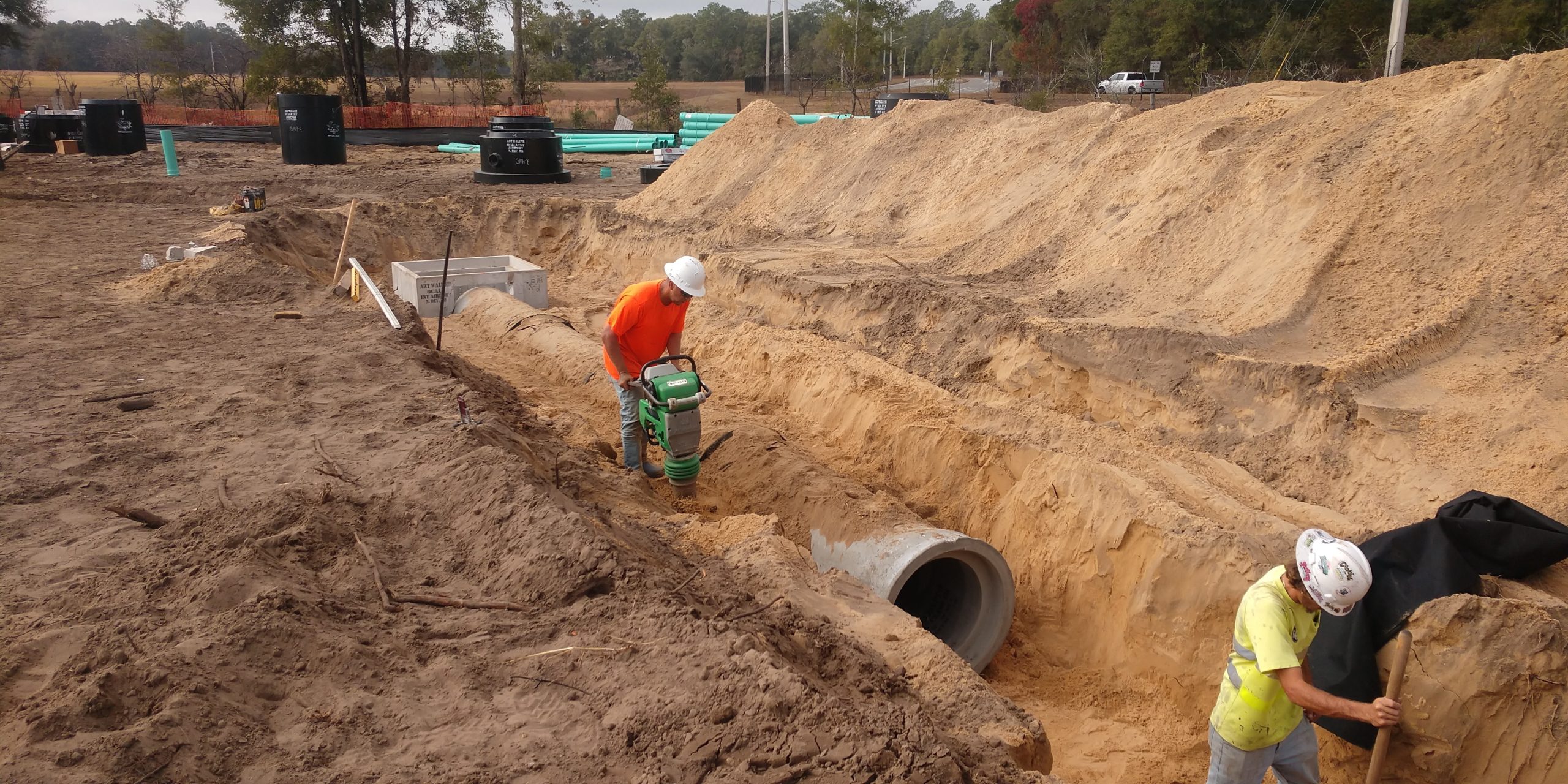
Most people see a finished road without thinking about the months of planning behind it. Before crews arrive, engineers define goals, study conditions, design the roadway and drainage, plan for traffic, and coordinate with agencies. For owners, developers, and prime consultants, understanding this process makes it easier to set realistic schedules and ask the right questions. Strong civil engineering services support every stage, from early scoping to final plans.
This article walks through the typical stages of a roadway design project in the Tampa Bay region. We’re Bayer United Engineering Consultants (BUEC), a transportation engineering firm with offices in Tampa and St. Augustine, and the examples come from our own services and projects.
Why Understanding the Design Process Helps Project Owners
A roadway project involves many moving parts: safety goals, utilities, drainage, traffic, budgets, and approvals from multiple agencies. When owners understand the sequence, they can plan more accurately, provide information earlier, and avoid delays caused by late decisions.
Good infrastructure engineering teams in Tampa guide clients through each stage and explain what is needed next. The better the communication, the smoother the project tends to run.
Stage 1: Defining Goals and Scope
Every project begins with a clear understanding of what it needs to achieve. A resurfacing job, a corridor widening, and a pedestrian safety upgrade all require different approaches.
Safety and Access
Many modern roadway projects aim to do more than repair pavement. They improve safety for drivers, cyclists, and pedestrians, and they enhance accessibility. For example, our Ocala Airport North Development Road project includes resurfacing, widening for bicycles, improved pedestrian and vehicle safety, and upgraded sidewalks and drainage. A clear scope helps the design team address these goals together instead of one at a time.
Budget and Schedule
Early conversations about budget, timeline, and funding sources shape design decisions. If the schedule is tight or funds are limited, engineers can prioritize improvements that deliver the most benefit.
Stage 2: Gathering Information and Developing Concepts
Once goals are set, the team collects information about the existing corridor. This may include roadway geometry, pavement conditions, drainage patterns, right-of-way, nearby properties, and traffic characteristics. With this information, engineers develop concepts and test options.
This stage is where practical thinking pays off. A concept that looks good on paper but ignores right-of-way limits or drainage constraints can cause expensive rework later. That’s why we focus on practical, creative solutions from the very first concept.
Stage 3: Detailed Roadway and Drainage Design
After a concept is approved, the team moves into detailed design, which is where much of the technical work happens.
Roadway Design
Roadway engineers prepare the alignment, cross sections, pavement design, intersections, signage and markings, and other geometric details. Pavement preservation work, such as our project milling and resurfacing 1.8 miles of rural and suburban four-lane roadway, requires careful planning to extend pavement life while keeping the road safe.
Drainage Design
Drainage engineers design how water will move through and away from the corridor. This protects the roadway, reduces flooding risk, and supports long-term performance. In a state like Florida, where heavy rain is common, drainage deserves attention from the earliest design stages.
Stage 4: Planning for Traffic During Construction
Even the best design must be built safely. Maintenance of traffic (MOT) planning sets out how vehicles, cyclists, and pedestrians will move around the work zone, and how workers will be protected.
A strong MOT plan considers:
- Lane closures and detours
- Access to homes and businesses
- Pedestrian and bicycle routes
- Work phasing and timing
- Emergency vehicle access
Addressing MOT during design, not after, helps contractors plan realistically and limits disruption for the community.
Stage 5: Using 3D Modeling to Review and Coordinate
Visual tools help teams catch issues before they become costly. 3D modeling in civil engineering gives engineers, reviewers, and clients a clearer view of how roadway, drainage, and surrounding features fit together.
Benefits often include:
- Easier communication with non-technical stakeholders
- Earlier identification of conflicts between design elements
- Better coordination among disciplines
- More confidence in design decisions before construction
3D modeling is one of our core services, alongside roadway engineering, drainage engineering, MOT, and project management.
Stage 6: Agency Review and Final Plans
Public projects typically pass through reviews by the agencies involved. Reviewers check the design against standards and may provide comments. Responding quickly and clearly keeps the project moving.
Experience with the reviewing agencies helps here. We work with several FDOT districts, Florida’s Turnpike, and local agencies across Tampa Bay, and that familiarity with different review processes can reduce back-and-forth and help final plans reach construction-ready status sooner.
Keeping Projects on Track: Management and Communication
Throughout every stage, project management ties the work together. Good management means clear schedules, regular updates, early risk identification, and accurate documentation.
Administration matters too. Timely, accurate invoicing and reporting reduce friction for project managers and prime consultants. Making project administration easier, including hassle-free invoicing, is part of how we support our clients. You can see examples of completed and ongoing work on our projects page, which shows the range of project types we handle.
Choosing a Partner for Your Next Project
When you compare options, focus on how a team will work with you, not only what it can design: who your main contact will be, how quickly they respond, and how roadway, drainage, and MOT are coordinated.
For firms pursuing state work, it also helps to ask about prequalification and small business participation. As FDOT’s Small Business Program rolls out, we’re a trusted small business partner for FDOT projects. See our prequalifications for details.
A final consideration is culture. A team that values collaboration and gives back to its community often brings the same care to its client work. Every quarter our team schedules a volunteer event, from beach clean-ups to sorting food at warehouses.
Conclusion
A roadway project succeeds when each stage builds on the last: clear goals, practical concepts, careful design, safe traffic planning, thoughtful review, and strong coordination. Knowing how the process works helps you plan smarter and choose partners who communicate well.
If you are comparing engineering firms in Tampa for an upcoming roadway, drainage, or MOT project, a short conversation can clarify scope, timing, and fit. Contact our team and share your project goals to see how a partnership might work.