
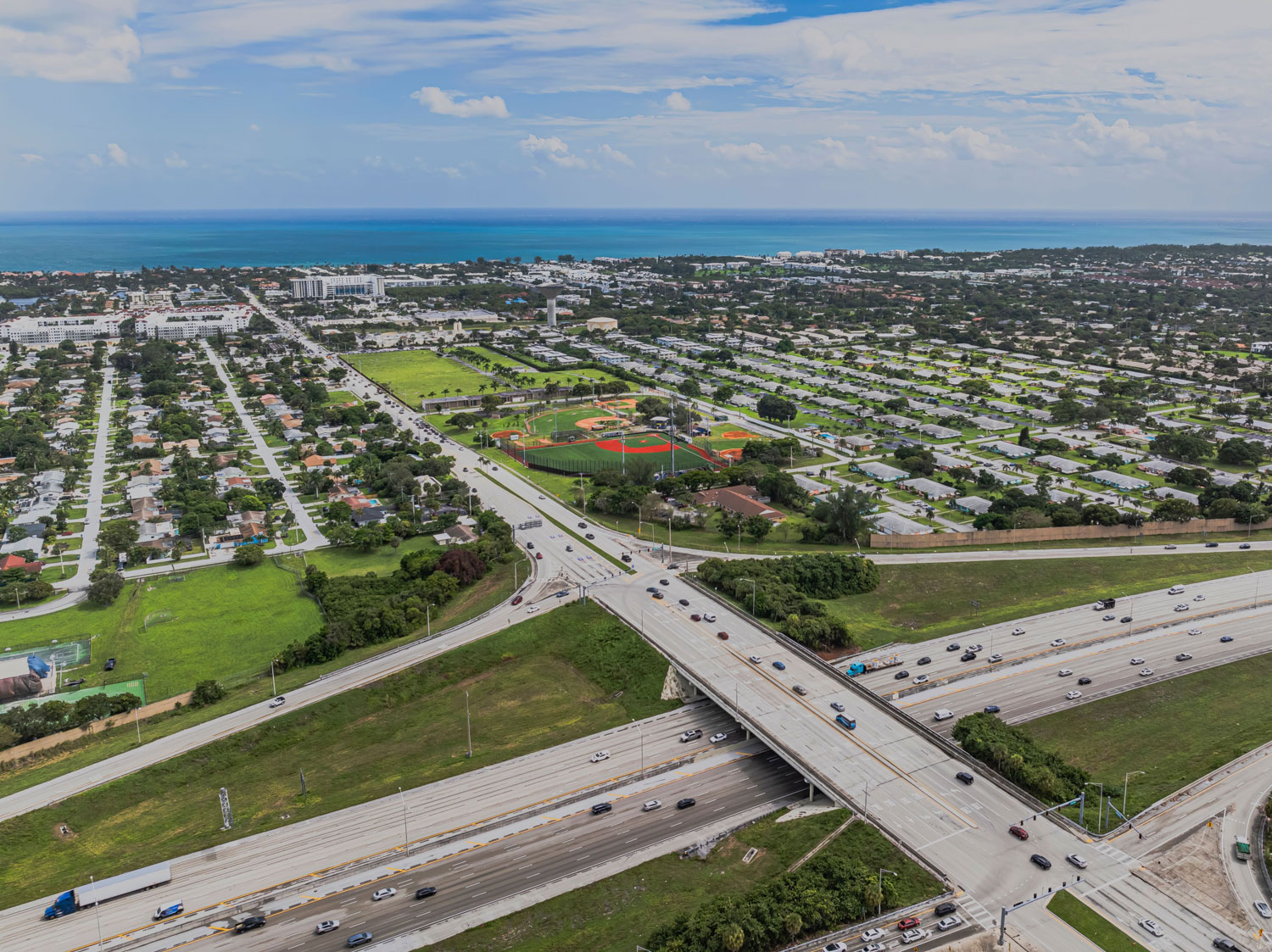
Tampa gets a lot of rain. Between the summer thunderstorms and the occasional hurricane swinging through, the region sees some of the highest annual rainfall totals in the country. For roads, that’s a serious problem if drainage isn’t handled correctly. Water doesn’t just sit on the surface and evaporate; it seeps into pavement, erodes the base layers, and eventually causes cracking, potholes, and structural failure.
That’s where drainage engineering comes in. It’s one of the most overlooked yet essential parts of transportation infrastructure, and it plays a direct role in how long a road lasts and how safe it is to drive on. This post breaks down what drainage engineering actually does, why it matters so much in a place like Tampa, and how firms like Bayer United approach it as part of broader civil engineering and roadway engineering projects.
What is drainage engineering, and why does it matter for roads?
Drainage engineering is the process of designing systems that manage the flow of stormwater away from roadways and surrounding infrastructure. This includes culverts, storm drains, retention ponds, swales, and underground pipe networks, all working together to move water where it needs to go instead of letting it pool or seep into the road structure.
Roads are built in layers, starting with a compacted base and finishing with an asphalt or concrete surface. When water infiltrates these layers, it weakens the base, causing the pavement above it to shift, crack, or collapse under the weight of traffic. Over time, this shows up as potholes, rutting, and uneven surfaces that are both costly to repair and dangerous for drivers.
Proper drainage engineering prevents this cycle before it starts. By directing stormwater into designed collection systems, engineers reduce the amount of water that ever reaches the vulnerable base layers of a roadway. This is why drainage isn’t a side consideration in transportation projects; it’s foundational to how long a road performs and how safe it remains.
Why is stormwater management especially critical in Tampa?
Tampa’s climate creates unique challenges for road infrastructure. The city experiences a wet season that runs roughly from June through September, with intense, short-duration storms that can drop several inches of rain in under an hour. Add in Tampa’s flat topography and high water table, and you’ve got conditions where water has nowhere to go unless a drainage system is specifically engineered to move it.
Flat terrain means gravity alone can’t be relied on to drain water away from roads the way it might in a hillier region. Engineers have to design systems with the right slopes, pipe sizing, and collection points to compensate. A high water table also means that underground drainage systems need to be carefully calculated so they don’t become overwhelmed during peak storm events, which could otherwise send water back up into the roadway.
These are the kinds of conditions that make Tampa transportation engineering distinct from projects in other parts of the state. A drainage design that works in a drier, hillier region of Florida might fail in Tampa without significant adjustments.
How does poor drainage design damage roads over time?
When drainage systems are poorly designed, undersized, or neglected, the effects on roadways build up gradually and then show up all at once. Here’s what tends to happen:
- Erosion of the road base: Water that seeps beneath the pavement washes away the compacted material that gives the road its structural support.
- Potholes and surface cracking: As the base weakens, the surface layer loses support and begins to crack, deform, and eventually form potholes.
- Standing water and hydroplaning risk: Roads without adequate drainage collect standing water during storms, creating dangerous driving conditions and increasing accident risk.
- Accelerated pavement aging: Repeated water exposure shortens the expected lifespan of asphalt and concrete, leading to more frequent and expensive resurfacing needs.
- Flooding beyond the roadway: Inadequate drainage doesn’t just affect the road itself; it can lead to flooding in surrounding neighborhoods and properties.
Choose a comprehensive drainage engineering review if a roadway shows early signs of surface cracking or pooling water, since these are often the first indicators that the underlying drainage system isn’t performing as designed.
What does the drainage engineering process actually involve?
Drainage engineering isn’t a single task; it’s a layered process that starts before construction and continues through the life of the roadway. A few of the key components include:
Hydrological and hydraulic analysis
Engineers study rainfall patterns, watershed boundaries, and existing drainage infrastructure to determine how much water a system needs to handle during different storm events. This analysis informs the sizing of pipes, culverts, and retention areas.
Grading and slope design
Roads and surrounding land need to be graded so water flows toward collection points instead of pooling on the surface. Even small adjustments in slope can make a significant difference in how effectively a road sheds water.
Stormwater collection systems
This includes the physical infrastructure: storm drains, catch basins, underground pipes, and retention or detention ponds that capture and redirect runoff.
Integration with roadway design
Drainage can’t be designed in isolation. It has to work alongside the broader civil engineering design, including how the road is milled, resurfaced, or widened. Projects that involve widening for bicycle lanes or improving pedestrian access, for example, often require drainage systems to be reworked entirely to account for the new layout.
3D modeling for design coordination
Modern drainage projects increasingly rely on 3D modeling in civil engineering to visualize how water will move across a site before construction begins. This helps identify potential problem areas, like low points where water might collect, early enough to adjust the design rather than fix issues after the road is built.
How does drainage engineering connect to broader roadway and safety improvements?
Drainage engineering rarely happens as a standalone project. It’s typically part of larger roadway engineering efforts that also address pavement condition, pedestrian access, and traffic safety. A road resurfacing project, for instance, is a natural opportunity to also correct drainage deficiencies before laying new pavement on top of an unresolved problem.
Improving safety at busy Florida intersections is another area where drainage plays a supporting role. Standing water at intersections increases the risk of hydroplaning and reduces visibility during storms, so drainage improvements are often paired with intersection redesigns to improve road safety in Tampa and other high-traffic areas.
Maintenance of traffic analysis also intersects with drainage work, especially during construction. Rerouting traffic around active drainage improvements requires careful planning to keep both drivers and construction crews safe while the work is underway.
Why does drainage engineering require local expertise?
Drainage systems designed without accounting for local rainfall data, soil conditions, and existing infrastructure tend to underperform, regardless of how well they’re built. This is why working with an experienced civil engineer in Tampa matters. Local engineering teams understand the specific rainfall intensity data, water table conditions, and regulatory requirements that apply to Florida projects.
Bayer United, one of the engineering firms in Tampa focused on transportation and civil infrastructure, approaches drainage engineering as a core service rather than an afterthought. Bayer United’s drainage engineering work is integrated with roadway engineering, 3D modeling, and project management, allowing drainage systems to be designed in coordination with the rest of a roadway project rather than bolted on separately.
Choosing the right drainage engineering partner for your project
Not every civil engineering services provider approaches drainage the same way. Choose a firm with direct experience in Tampa’s specific climate and soil conditions if long-term durability matters more than a quick, generic design. Choose a firm that integrates drainage planning with roadway design and 3D modeling if your project involves resurfacing, widening, or intersection improvements, since these elements need to work together rather than be designed in isolation.
For public agencies and private developers alike, the cost of underinvesting in drainage engineering shows up later in the form of premature road failure, repeated maintenance costs, and safety incidents that could have been avoided with better upfront planning.
Protecting Tampa’s roads starts with the right drainage plan
Stormwater isn’t going away, and Tampa’s rainfall patterns aren’t getting any lighter. Roads built without proper drainage engineering are set up to fail well before their expected lifespan, costing more in repairs and putting drivers at risk in the process. Roads designed with drainage as a priority from day one hold up better, cost less to maintain, and keep communities safer during Florida’s heaviest storms.
If you’re planning a roadway, drainage, or transportation project in Tampa, working with a team that understands both the engineering and the local conditions makes a measurable difference. Contact Bayer United to discuss your next civil or transportation engineering project and see how integrated drainage engineering can protect your investment for years to come.
Frequently Asked Questions
What is the difference between drainage engineering and stormwater management?
Drainage engineering refers to the technical design of systems, like pipes, culverts, and grading, that move water away from a specific site, such as a roadway. Stormwater management is a broader term that includes drainage engineering but also covers regulatory compliance, water quality treatment, and long-term watershed planning.
How much does drainage engineering add to a roadway project’s cost?
Costs vary widely depending on project scope, existing infrastructure, and site conditions, so no fixed percentage applies across all projects. However, incorporating drainage engineering early in the design phase is typically far less expensive than retrofitting a road after drainage failures have already caused damage.
How long does a drainage system typically last on a Tampa roadway?
A well-designed and maintained drainage system can last several decades, though this depends on factors like pipe material, maintenance schedules, and how well the original design accounted for rainfall intensity and future development in the surrounding area.
Can existing roads be retrofitted with better drainage systems?
Yes. Many resurfacing and rehabilitation projects include drainage improvements as part of the scope, especially when a road shows signs of water-related damage. Retrofitting typically involves upgrading pipe capacity, adding catch basins, or regrading the surrounding land.
Who should I contact for a drainage engineering project in Tampa?
Bayer United provides drainage engineering services alongside roadway engineering, 3D modeling, maintenance of traffic analysis, and project management for transportation projects throughout Tampa and Florida.